
The War Beneath the War
How Ukraine, Venezuela, Russia, oil, and the U.S. dollar are shaping what “peace” means?

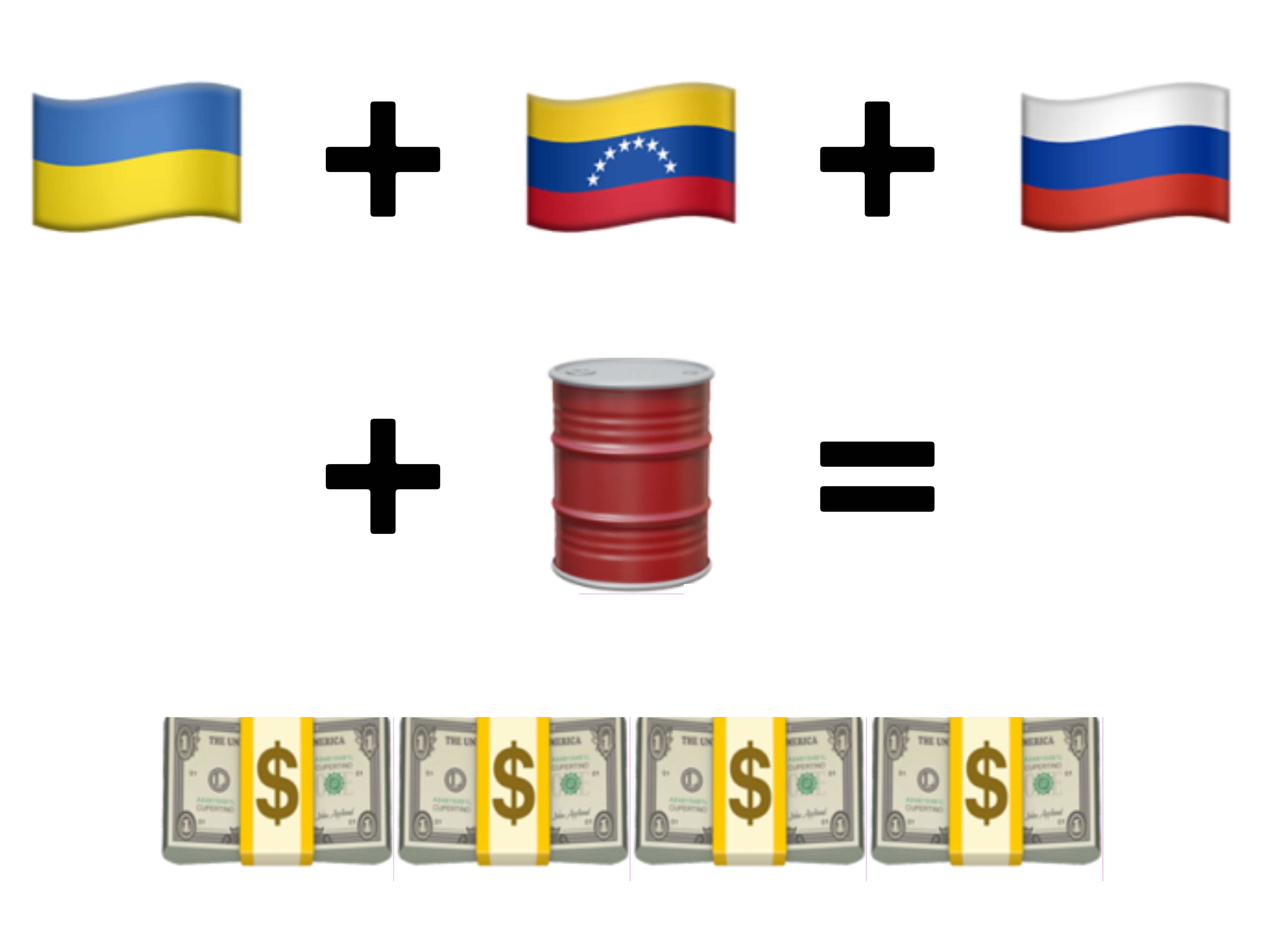
This all started with an interview about renewable green energy, and then it clicked.
There’s war in Ukraine with Russia.
There’s regime change in Venezuela.
And they all have something in common, oil.
On a recent episode of, We Decide: America at the Crossroads, we aired an interview my Pacifica Radio colleague Ursula Ruedenberg conducted with Oleh Savytskyi, a Ukrainian energy expert who works with the organization Razom We Stand, about the intersection of climate, geopolitics, and Russia’s war on Ukraine.
One line from that conversation stopped me cold:
“We could be living in a future powered by clean, renewable energy, energy that cannot be captured by kleptocrats and authoritarians. And this is why Russia is fiercely attacking renewable energy facilities.”
Windmills. Solar fields. Power grids.
All targets of war.
I’ll be honest: on this I’m a bad journalist confession. I’m deeply fluent in domestic issues, especially how national policy plays out in New York State and New York City, but I’m less fluent in the international political economy. That gap is exactly why a recent post from Canadian teacher, podcaster and TikToker Joanna Johnson, known online as Unlearn16, snapped something into focus for me.
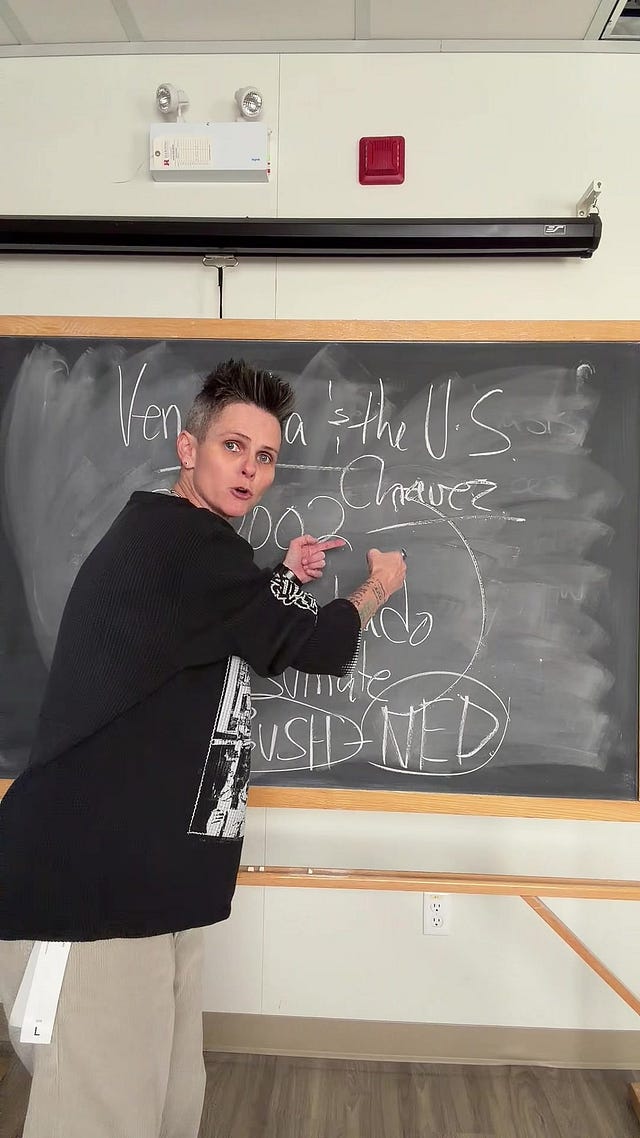
 Tiktok failed to load.
Enable 3rd party cookies or use another browser
Because once you see it, you can’t unsee it.
The Petrodollar Problem
Oil is traded globally in U.S. dollars, the so-called petrodollar system, which helps prop up the dollar’s global value. But a growing bloc of countries known as BRICS (Brazil, Russia, India, China, South Africa) is actively trying to move away from the dollar.
Russia is central to that effort.
In 2023, India began purchasing Russian oil in rupees, not dollars.
That sounds technical. It’s not.
When India pays rupees for Russian oil, that money bypasses U.S. and European sanctions. It becomes ‘sanction-proof’ cash money that can be used immediately for missiles, troop mobilization, and drones.
That’s not a currency tweak.
That’s the financial front of Russia’s war strategy.
So Where Does Venezuela Come In?
[This was written the day before Maduro was captured/kidnapped]
U.S. sanctions have pulled hundreds of thousands of barrels of Venezuelan oil off the global market. When supply tightens, prices rise. When prices rise, Russia earns more per barrel on the oil it exports, even if it’s at a discount.
Lost Venezuelan barrels become Russia’s price cushion.
More revenue means less urgency to negotiate. Prolonging the war in Ukraine becomes economically tolerable.
At the same time, the U.S. isn’t abandoning the petrodollar system, it’s metering it. If Venezuelan oil is allowed back into the market, it can stabilize domestic gasoline prices in the US, keep oil dollar-settled, and preserve leverage, without handing Moscow or Beijing another crude-fueled bargaining chip in peace talks.
This is energy chess, not morality play.
Why Ukraine’s Renewables Are an Existential Threat
Now let’s bring it back to Ukraine.
Russia isn’t just fighting over land. It’s fighting to remain the energy supplier to Europe. And Ukraine is threatening that future.
Despite relentless attacks, Ukraine has continued to build clean energy, as Savytskyi told Ursla.
“Despite the war, we built around one gigawatt of new wind, which is remarkable when countries not at war still fail to enable those investments.”
A Ukraine with large-scale wind, solar, and modernized grids could supply Europe with non-Russian energy. That would permanently weaken Moscow’s leverage, including the rupee- and yuan-denominated oil markets Russia is trying to build with BRICS partners.
That’s why, Savytskyi says Russia systematically targets Ukraine’s power grid and renewables.
This isn’t random destruction.
It’s economic containment.
What This War Is Really About
As Savytskyi put it plainly:
“They want to destroy Ukraine’s sovereignty, and they basically fight against democracy in Europe. The ultimate goal of Putin is to destroy the democratic West, it’s his life mission.”
So this war isn’t just about territory.
It’s about:
who controls energy
who controls currency
and who controls the future
Ukraine’s push for clean energy doesn’t just defend its sovereignty. It challenges the fossil-fuel system authoritarian power depends on.
And that’s why, even under fire, Ukraine keeps building.
“Ukrainian people are resilient and giving up is not an option. We keep fighting, and everyone is doing the best they can.”
If renewables win, the war economy loses.
That’s the connection.
That’s the stakes.
And that’s the war beneath the war.
Hear Ursula Ruedenberg’s full interview (aired on 12/29/2025) with Oleh Savytskyi here as it aired on Pacifica Radio’s We Decide: America at the Crossroads